Reserve Luxury Vehicle for Corporate Event: A Planning Guide
Table of Contents
Why Luxury Transportation Matters for Corporate Events
Assess Your Corporate Event Transportation Needs
Determine guest count and vehicle capacity
Identify pickup and drop-off locations
Set your event timeline and arrival requirements
Choose the Right Vehicle Type for Your Event
Luxury sedans for small executive groups
SUVs and Escalades for larger parties
Multi-vehicle coordination for large events
Corporate Event Transportation Safety Standards and Compliance
Executive Ground Transportation Checklist Before Booking
Book Your Luxury Vehicle: Step-by-Step Process
Step 1: Contact the service provider with your event details
Step 2: Confirm vehicle availability and pricing
Step 3: Review insurance and liability requirements
Step 4: Finalize your reservation with written confirmation
Plan Ground Coordination and Logistics
Communicate itineraries to your chauffeur
Account for traffic and timing buffers
Common Mistakes to Avoid When Reserving Corporate Transportation
Frequently Asked Questions
Last Updated: October 2, 2026
Why Luxury Transportation Matters for Corporate Events
Booking the wrong ground transportation for a corporate event creates immediate stress: executives arrive late, clients notice shabby vehicles, and your event feels second-rate before it starts. When you reserve luxury vehicle for corporate event through a professional service, you avoid these pitfalls entirely.
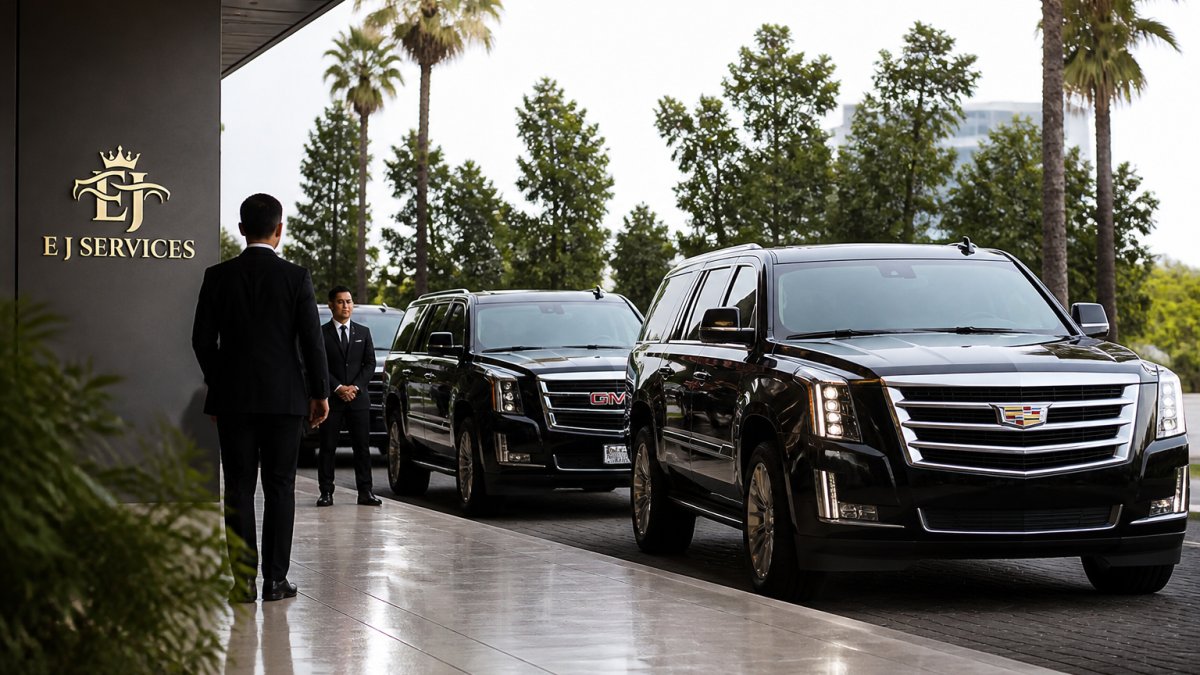
When you reserve a luxury vehicle for a corporate event, you control the first and last impression guests have of your organization. A pristine Cadillac Escalade or GMC Yukon arriving on time ensures attendees step out refreshed and impressed, setting the right tone.
Corporate events are about relationships, and every detail signals how much you value your guests. Ground transportation is one of the most visible details. Teams that invest in reliable, professional ground coordination see measurably better event outcomes.
A missed pickup derails your timeline, a shabby vehicle damages credibility, and a disoriented driver creates anxiety. When you reserve a luxury vehicle for a corporate event through a professional service, you eliminate these variables and focus on your guests and business objectives.
Assess Your Corporate Event Transportation Needs
Before contacting a transportation provider, clarify your needs. Planners who skip this step either overpay for unused capacity or scramble when vehicles are too small.
Determine guest count and vehicle capacity
Start with an honest headcount of actual attendees needing rides, don't estimate high just to be safe.
Once you know the number, match it to vehicle capacity:
4-6 passengers: Luxury sedan works perfectly for executive groups
6-8 passengers: SUV like a GMC Yukon SLT handles this comfortably
8-12 passengers: Cadillac Escalade or Chevrolet Suburban provides space and comfort
12+ passengers: Multiple vehicles required for coordination
Right-sizing your vehicle saves money and improves the experience.
Also consider luggage and materials, equipment, gifts, or presentation materials, that a vehicle must accommodate.
Identify pickup and drop-off locations
Map out every location: where guests arrive (airport, hotel, office) and where they're going (venue, restaurant, event space).
Write down exact addresses. Different locations have different parking rules, restricted pickup zones, and traffic patterns, your driver needs precise details.
If you're coordinating multiple pickups (guests arriving at different airports or hotels), list them in order. This determines your route and timing.
Set your event timeline and arrival requirements
Work backward from your event start time. Add 15 minutes of buffer for your target arrival time. Calculate drive time from each pickup location and add 20 percent for traffic to determine departure time.
Factor in peak traffic hours (7-9 AM, 4-7 PM), day of week, weather (rain or snow adds 15-30 minutes), and parking time (10 minutes).
If your event starts at 6 PM with a 45-minute drive, schedule pickups at 4:25 PM (accounting for traffic). Communicate these times clearly to guests.
Choose the Right Vehicle Type for Your Event
Vehicle selection determines comfort, impression, and cost. Different events call for different approaches.
Luxury sedans for small executive groups
Luxury sedans work best for small groups of high-level executives (C-suite, board members, key clients). They offer professional appearance, easier urban navigation, lower cost, and intimate conversation space. Sedans seat 4-5 comfortably and work well for airport transfers, executive dinners, and client meetings.
SUVs and Escalades for larger parties
For 6-12 people, SUVs like the GMC Yukon SLT and Cadillac Escalade are essential. They offer comfortable seating, professional appearance, smooth ride, and ample storage. An Escalade or Yukon signals investment in guest comfort. Use SUVs for corporate retreats, weddings, conferences, and event team transportation.
Multi-vehicle coordination for large events
For 15+ people, multiple vehicles coordinated as a fleet are required. Assign passengers to vehicles, communicate pickup times to all drivers, ensure synchronized arrival, and provide each driver with passenger lists. Professional services handle this fleet logistics.

Corporate Event Transportation Safety Standards and Compliance
Your transportation provider must meet specific standards. This isn't optional, it's how you protect your company and your guests.
Professional transportation services maintain:
Current vehicle insurance covering passenger liability
Driver background checks and driving record verification
Vehicle maintenance records documenting regular inspections
Proper licensing and permits for commercial passenger transport
Driver training on passenger safety and professional conduct
When you reserve a luxury vehicle for a corporate event through an established service, these standards are built in. The company carries insurance that covers your event.
Executive Ground Transportation Checklist Before Booking
Use this checklist to ensure you haven't missed anything before contacting a service provider.
Item | Status | Notes |
Guest count finalized | [ ] | Total passengers needing transport |
Pickup locations confirmed | [ ] | Addresses and access details |
Drop-off locations confirmed | [ ] | Addresses and parking information |
Event date and time locked | [ ] | No changes expected |
Arrival time requirement set | [ ] | When guests must arrive |
Vehicle type selected | [ ] | Sedan, SUV, or multi-vehicle |
Budget approved | [ ] | Maximum spend authorized |
Insurance requirements clarified | [ ] | Additional coverage needed? |
Special requests documented | [ ] | Water bottles, temperature control, etc. |
Backup contact identified | [ ] | Who handles issues day-of |
Book Your Luxury Vehicle: Step-by-Step Process
Step 1: Contact the service provider with your event details
Call or email your transportation provider with complete information. Don't be vague. Provide:
Event date and time
Number of passengers
Pickup location and address
Drop-off location and address
Any special requests (water, temperature preferences, accessibility needs)
Whether you need one vehicle or multiple
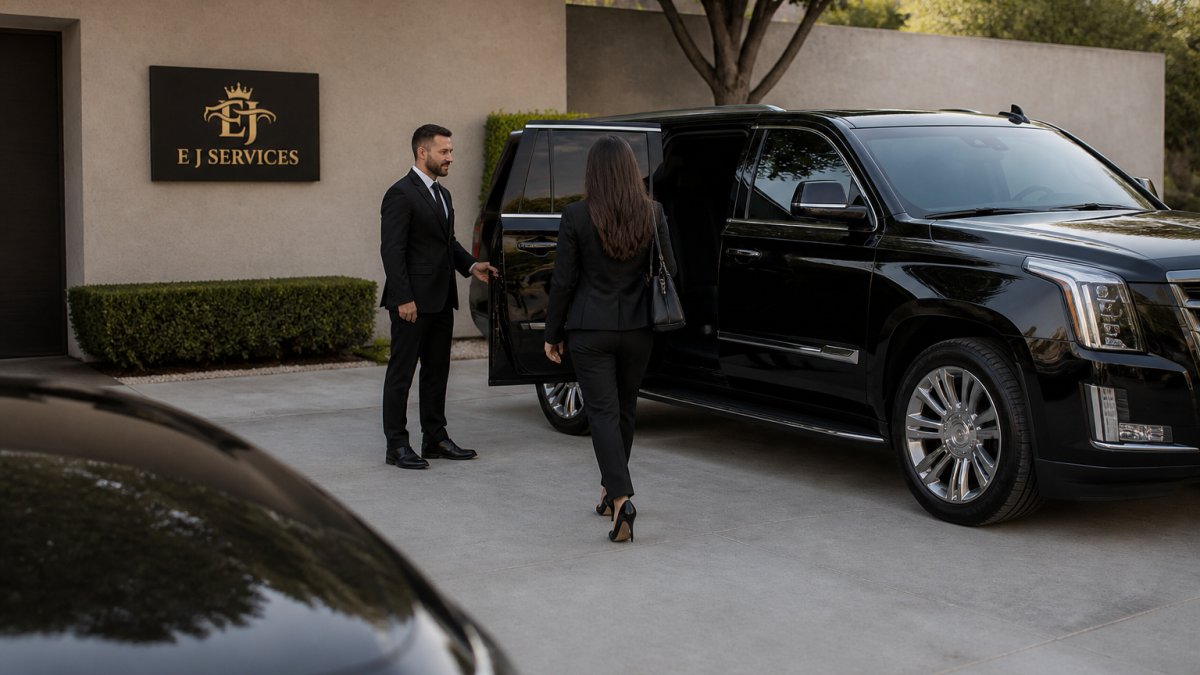
A professional service like EJ Services responds quickly when you reserve luxury vehicle for corporate event, offering availability and preliminary pricing. They ask clarifying questions. They want to understand your event fully before quoting.
Step 2: Confirm vehicle availability and pricing
Once the provider confirms they can handle your event, get pricing in writing. Know exactly what you're paying for:
Vehicle type and capacity
Pickup and drop-off locations
Drive time and estimated duration
Hourly rate or flat fee
Any additional charges (tolls, parking, gratuity)
Cancellation policy
Don't accept vague pricing. "It depends on traffic" isn't good enough. You need a firm quote based on the route and timeframe.
Step 3: Review insurance and liability requirements
Before you finalize anything, discuss insurance. Ask:
What coverage does the service carry?
Are passengers covered under their policy?
Do you need additional insurance for your event?
What documentation can they provide?
Get written confirmation of insurance coverage. If your company requires proof of insurance before any vendor engagement, request it now.
Step 4: Finalize your reservation with written confirmation
Once everything is agreed, get a written confirmation. This should include:
Vehicle type and license plate
Driver name and contact information
Pickup time and location
Drop-off location
Total cost
Cancellation terms
Emergency contact for day-of issues
Read the confirmation carefully. Make sure every detail matches what you discussed. If something is wrong, correct it before the event date.
Plan Ground Coordination and Logistics
Booking the vehicle is half the battle. Coordination on event day determines whether everything runs smoothly.
Communicate itineraries to your chauffeur
Send your driver a detailed itinerary at least 48 hours before the event. Include:
Passenger names and number
Exact pickup address with building/suite number
Parking or curbside pickup details
Route to the destination
Drop-off address with specific entrance if applicable
Your contact number and backup contact
Any special instructions (wait time, temperature preferences, etc.)
A professional driver reads this itinerary and knows exactly what to expect. They arrive early, scout the pickup location, and plan the route. They're not figuring things out on the fly.
Account for traffic and timing buffers
Even with perfect planning, traffic happens. Build in buffers:
Urban routes: Add 20 percent to estimated drive time
Highway routes: Add 15 percent
Rainy or snowy conditions: Add 30 percent
Peak traffic hours: Add 25 percent
If your drive normally takes 30 minutes, plan for 40 minutes in normal conditions. Plan for 50 minutes during rush hour.
Common Mistakes to Avoid When Reserving Corporate Transportation
Learning from others' mistakes saves you time, money, and stress.
Frequently Asked Questions
How far in advance should you reserve a luxury vehicle for a corporate event?
Reserve your luxury vehicle at least 2-4 weeks before your corporate event to ensure availability and allow time for logistics planning. For large multi-vehicle bookings or high-profile events, 4-6 weeks is ideal. Early reservation also gives you time to confirm details with your chauffeur service, review contracts, and address any special requests or routing concerns.
What factors should you consider when booking corporate event transportation?
Key factors include guest count and vehicle capacity, pickup and drop-off locations, event timing and arrival deadlines, driver professionalism and experience, fleet maintenance standards, insurance coverage, and whether the service offers account management for multiple bookings. Also verify 24/7 availability and cancellation policies.
What is the difference between a luxury car rental and a chauffeur service?
A luxury car rental provides a vehicle only; you drive it yourself. A chauffeur service includes a professional, trained driver who handles all driving, navigation, and passenger logistics. For corporate events, chauffeur services eliminate liability concerns, ensure punctual arrival, provide a polished first impression for clients, and allow executives to focus on work or relaxation rather than driving.
What are the safety standards for corporate ground transportation?
Corporate transportation providers must maintain valid commercial driver licenses, carry appropriate liability insurance (typically $1 million minimum for passenger services), conduct regular vehicle safety inspections, and comply with Department of Transportation regulations. Verify that drivers have clean driving records, the fleet meets federal safety standards, and the company maintains comprehensive insurance documentation for corporate events and client entertainment.
Book Online

Comments